About us
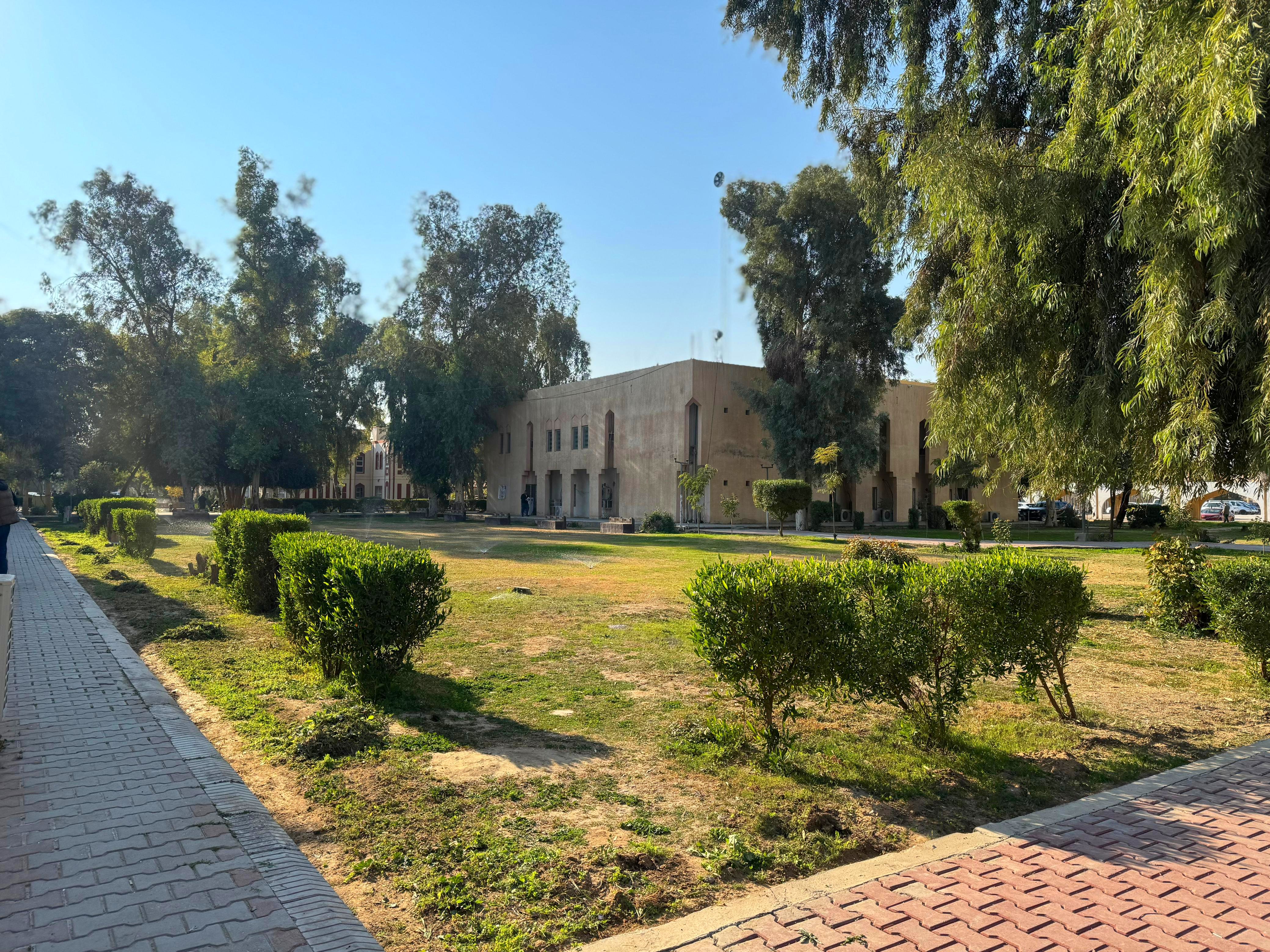
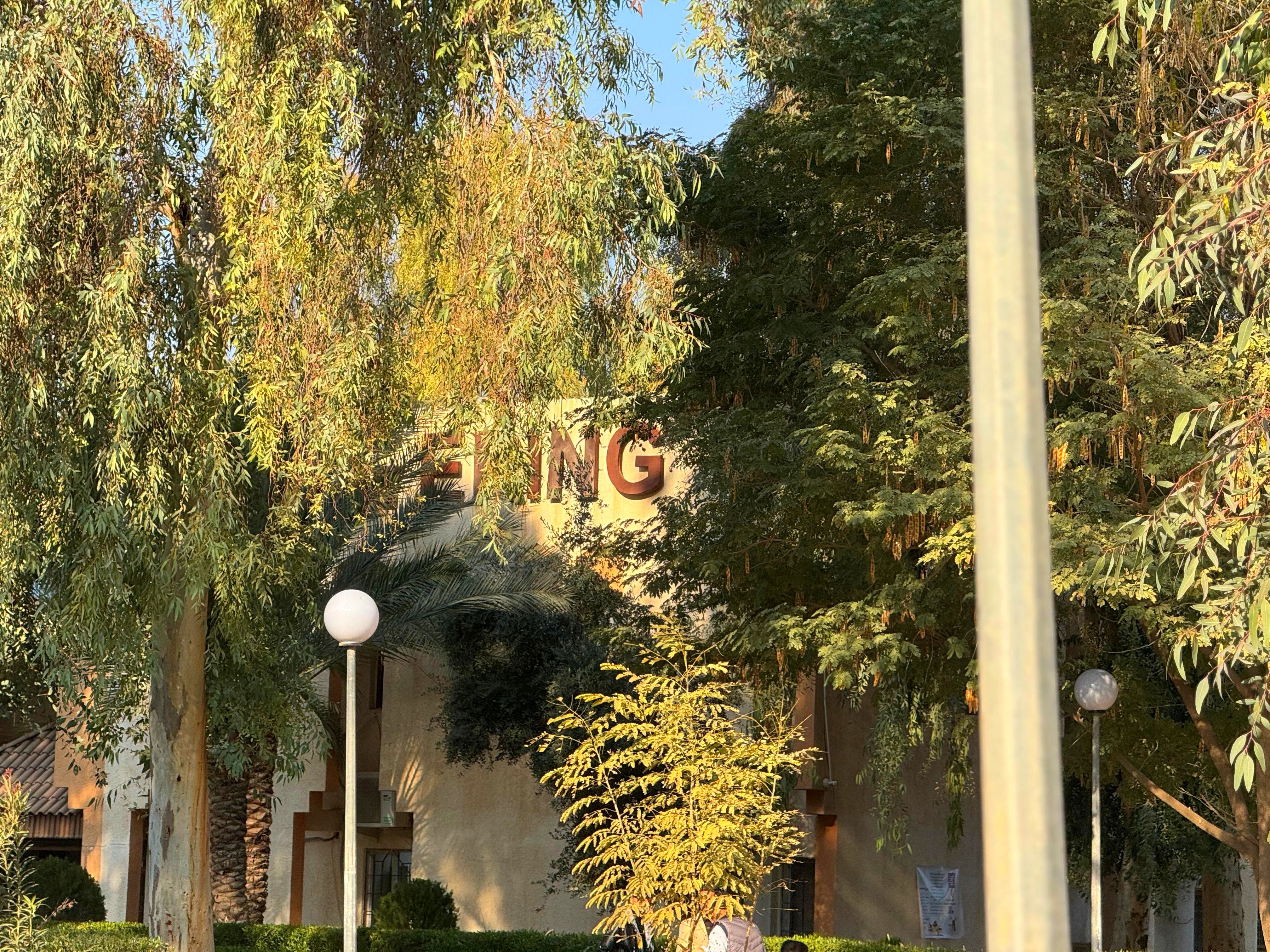
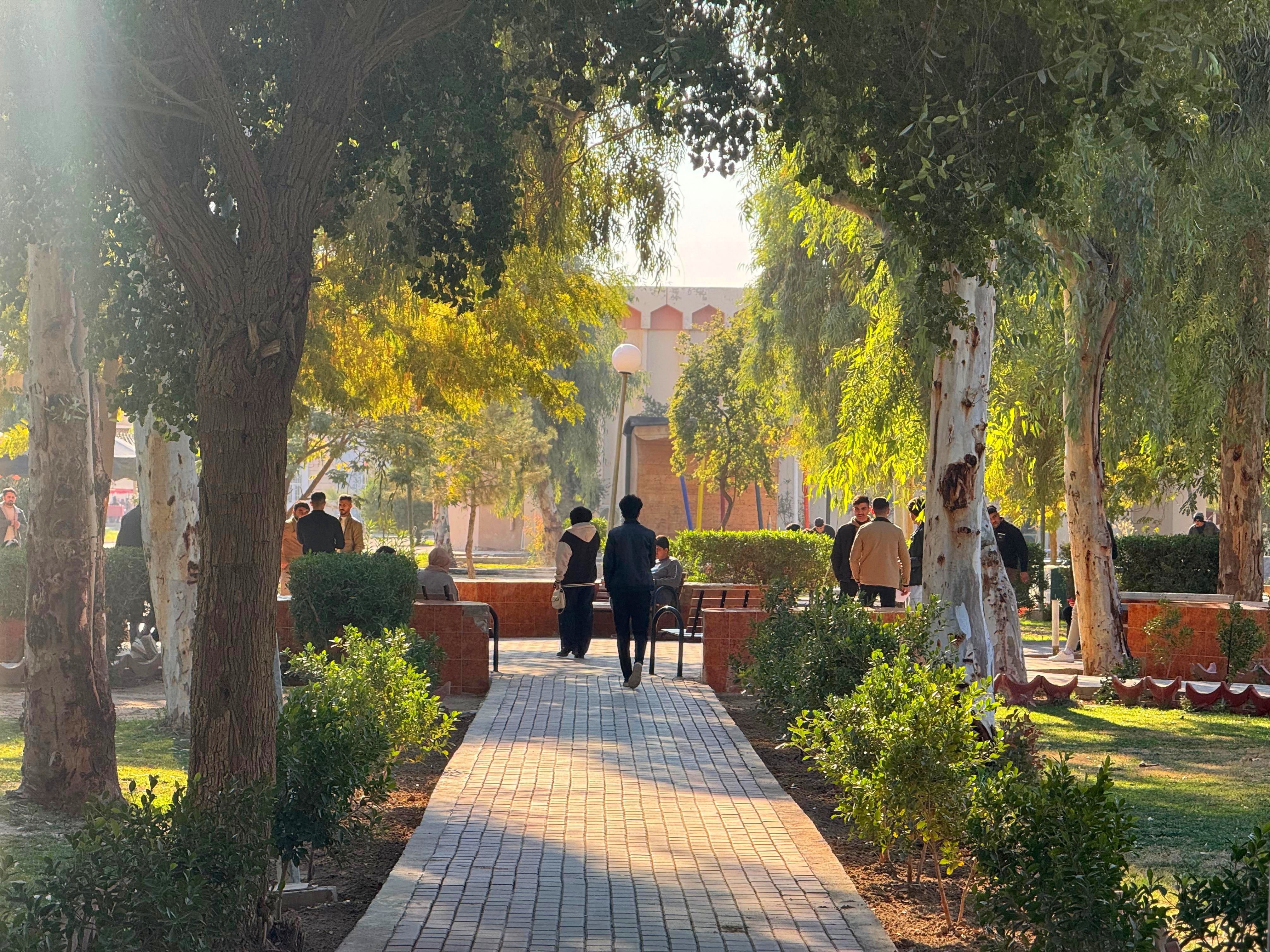
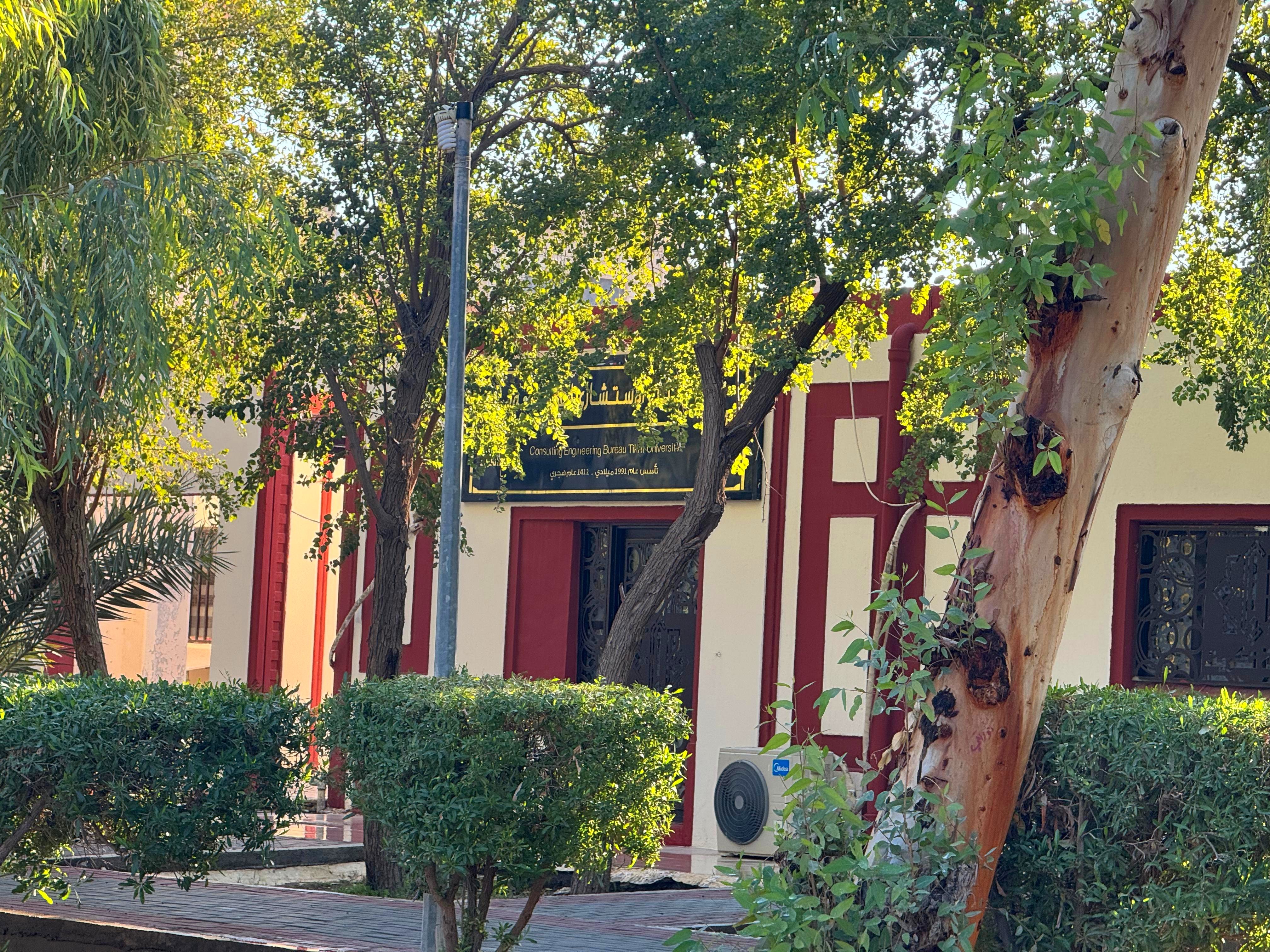
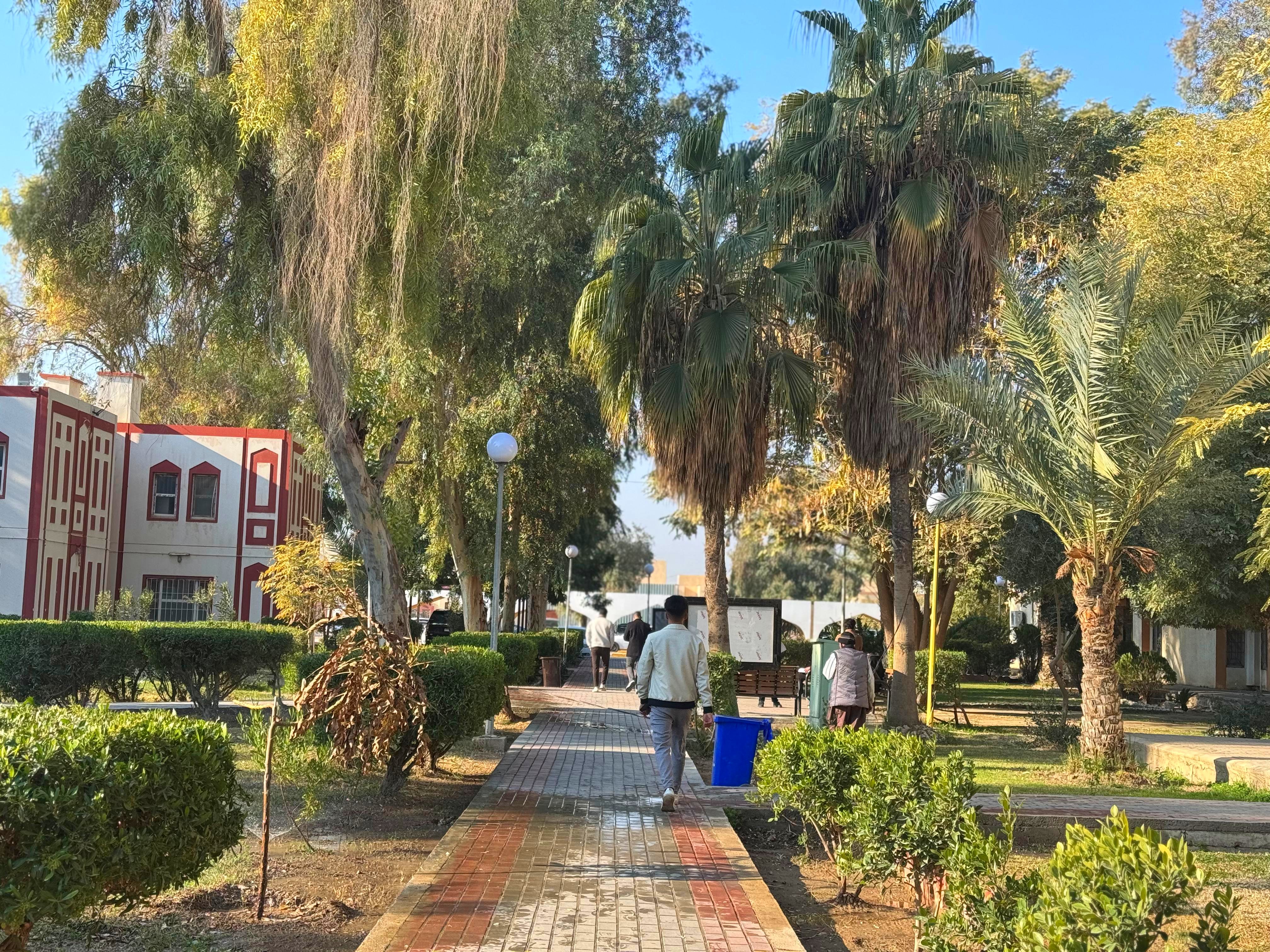
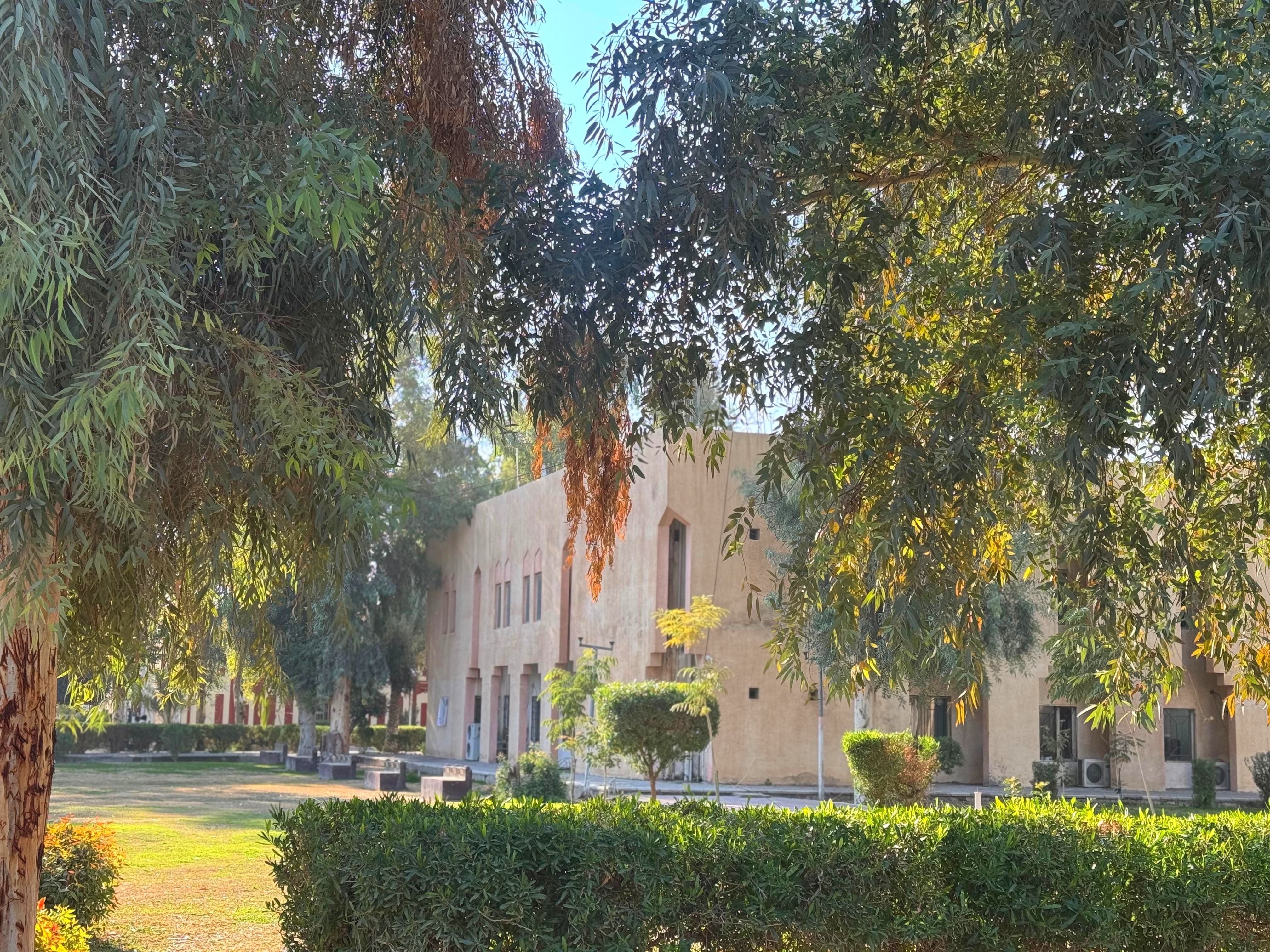
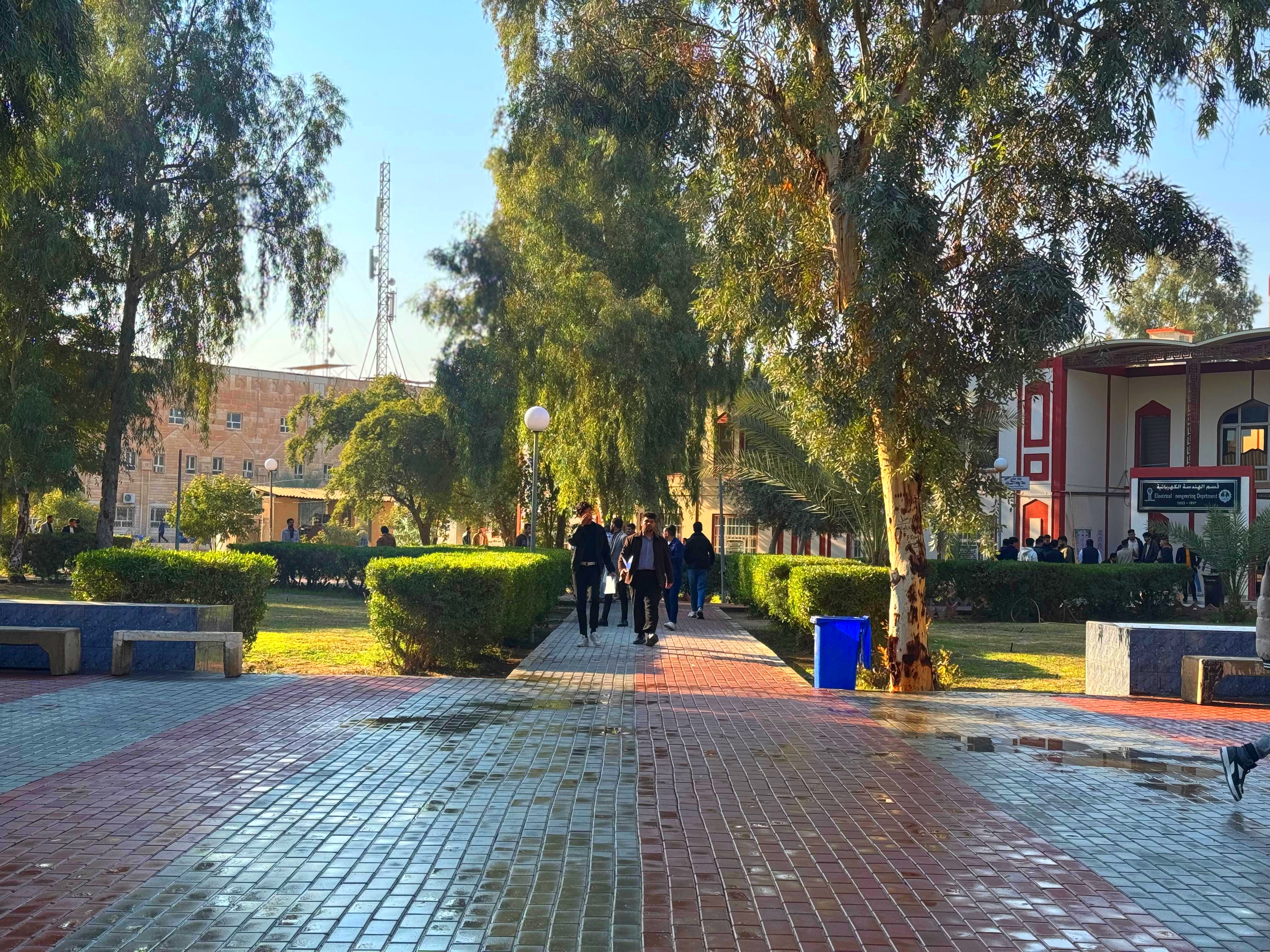
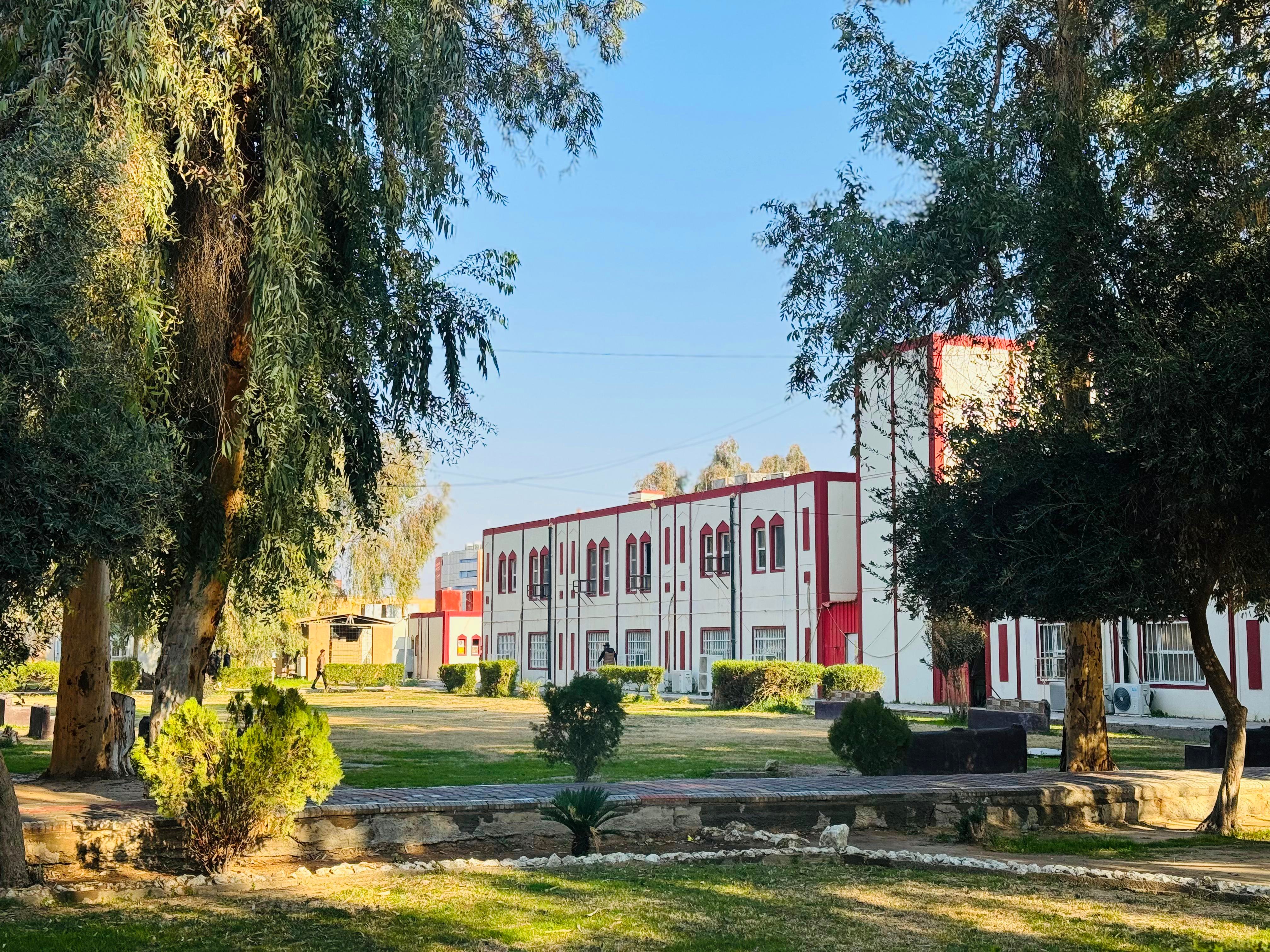
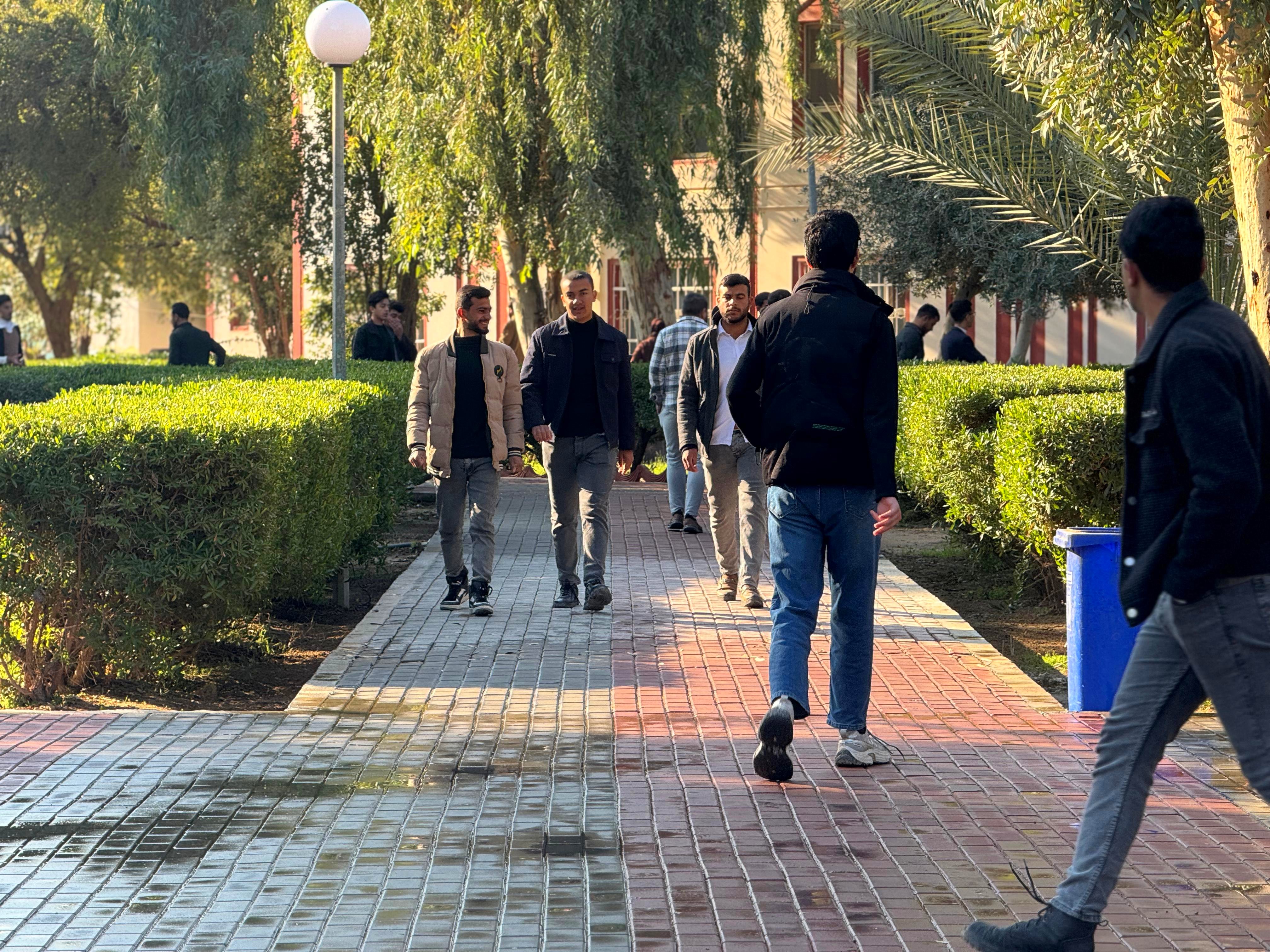
The College of Engineering at Tikrit University was established in 1988 with a noble and clear objective: to educate and graduate a distinguished group of engineers in various engineering disciplines to serve their community and build their country in these specializations. In addition to its role in supporting faculty members and developing their scientific capabilities through conducting scientific research, the college contributes to consulting, designing, supervising, and following up on state and community projects and serving the public interest. The College of Engineering started with three departments: Chemical Engineering, Mechanical Engineering, and Civil Engineering, which were established in 1989. The Electrical Engineering Department was established in 1993, and the Environmental Engineering Department was established in 2006. The total area of the college is 131,434 square meters, and the area of the land on which the college and all its facilities are built is 11,050 square meters. The percentage of green spaces of the total land area is 91%. The College of Engineering is located within Tikrit University, which is located to the north of the center of Salah al-Din Governorate - Tikrit District, on the banks of the Tigris River, and away from crowded areas or noise sources, providing an excellent study environment.

To provide society with skilled engineers possessing scientific knowledge and to foster industrial development through robust applied research.
- To graduate engineers who possess the competence, skills, and knowledge in the field of engineering.
- To conduct academic research to keep pace with global scientific advancements, and applied research to translate engineering knowledge and theories into practical applications.
- To contribute to the design, supervision, follow-up, and consulting for the development of the country, keeping pace with the latest scientific developments in all its various engineering sectors.
- To maintain continuous communication with various state sectors, understand their challenges, and work together to provide theoretical and practical solutions.
- To achieve a global academic reputation by entering international rankings, obtaining accreditation for engineering programs, and integrating the culture of total quality and continuous improvement in the educational and research process.
- To continuously develop undergraduate and graduate programs to keep pace with scientific and technological advancements.
To work diligently to make the College of Engineering locally and internationally renowned through leadership and scientific excellence in engineering education and research. To be a consulting reference for government departments and institutions, and a true partner in overcoming obstacles, solving problems, and developing institutional performance.
- The ability to identify, formulate, and solve engineering problems by applying principles of engineering, science, and mathematics.
- The ability to apply the engineering design process to produce solutions that meet specified needs while considering public health and safety, as well as global, cultural, social, environmental, and economic factors relevant to the discipline.
- The ability to develop and conduct appropriate experiments, analyze and interpret data, and use engineering judgment to draw conclusions.
- The ability to communicate effectively with a wide range of audiences.
- The ability to recognize ethical and professional responsibilities in engineering situations and make informed judgments, considering the impact of engineering solutions in global, economic, environmental, and societal contexts.
- The ability to recognize the ongoing need for acquiring new knowledge, select appropriate learning strategies, and apply this knowledge.
- The ability to work effectively as a member or leader of a team that sets goals, plans tasks, meets deadlines, and fosters a collaborative and inclusive environment.
أخبار الكلية

المناقشات العلمية

Tikrit University in the International database and Indexes